As energy costs continue climbing and climate concerns intensify, homeowners across the country are searching for sustainable alternatives to traditional power sources. Solar panels have emerged as one of the most practical solutions, offering the dual benefit of reducing monthly utility bills while minimizing environmental impact. However, many homeowners face a critical question when considering this investment: exactly how many solar panels does my home actually need? Installing too few means you won’t offset enough of your energy consumption, while overbuilding wastes money on unnecessary capacity. This article provides practical guidance on calculating your specific solar panel requirements based on your household’s unique energy consumption patterns, roof characteristics, and geographic location. By understanding the fundamental principles behind solar energy generation and following a straightforward calculation methodology, you’ll be equipped to make an informed decision that maximizes both your financial savings and energy independence for decades to come.
Post Contents
Understanding Solar Panels and the Photovoltaic Effect
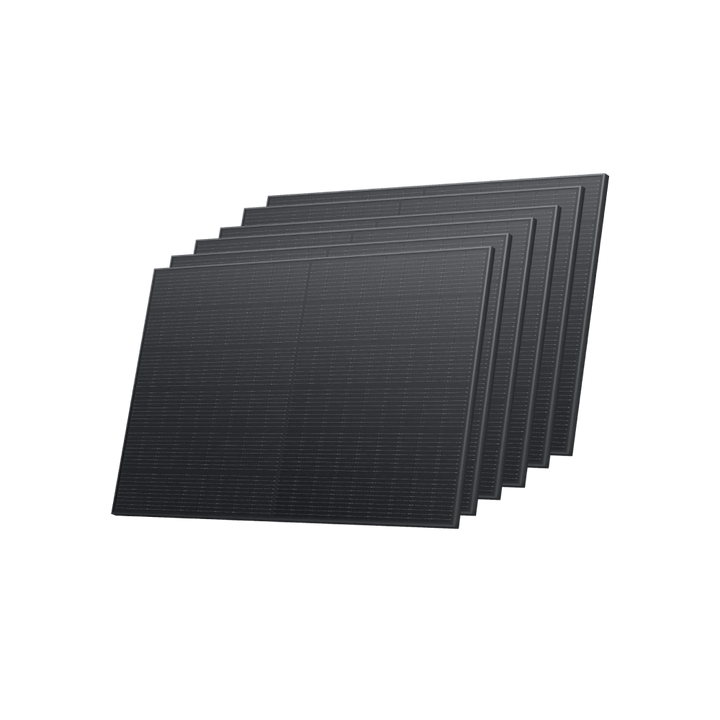
Solar panels consist of multiple photovoltaic cells made from silicon semiconductors that convert sunlight directly into electricity through the photovoltaic effect. When photons from sunlight strike these cells, they knock electrons loose from their atoms, creating an electrical current that flows through the panel’s wiring system. Modern residential panels typically achieve efficiency ratings between 15% and 22%, meaning they convert that percentage of incoming solar energy into usable electricity. The concept of peak sunlight hours is crucial for understanding your system’s potential output—these represent the equivalent hours per day when sunlight intensity reaches 1,000 watts per square meter, typically ranging from 3 to 7 hours depending on location. Homeowners can choose between grid-tied systems that connect to utility power and allow net metering, or off-grid systems with battery storage that provide complete energy independence but require larger capacity to account for cloudy periods and nighttime usage.
Calculating Your Home’s Energy Consumption
The foundation of determining your solar panel needs begins with understanding your household’s electricity consumption. Start by gathering your utility bills from the past 12 months and locate the kilowatt-hour (kWh) usage for each billing period. Add these monthly figures together and divide by 12 to establish your average monthly consumption, then divide by 30 to find your daily average. Most American households consume between 850 and 1,000 kWh monthly, though this varies significantly based on home size, climate, and lifestyle. Major energy consumers typically include HVAC systems, water heaters, refrigerators, washers and dryers, and electric vehicle chargers. For a more precise assessment, consider using plug-in energy monitors or smart home systems that track individual appliance consumption in real-time. Pay particular attention to seasonal variations—summer air conditioning or winter heating can dramatically increase usage during certain months. If your home relies on natural gas for heating or cooking, your electricity needs may be lower than all-electric homes. Calculate both your baseline consumption and peak seasonal usage to ensure your solar system can handle demand fluctuations throughout the year. This comprehensive energy audit provides the essential starting point for sizing your solar installation appropriately.
Determining Your Solar Panel Capacity Requirements
Key Factors in Solar Panel Capacity
Several interconnected factors influence how much solar capacity your home requires beyond simple electricity consumption. Household size directly correlates with energy demand—larger families typically run more appliances simultaneously and consume more hot water. Geographic location dramatically affects solar production potential, with southwestern states receiving significantly more annual sunlight than northern regions. Your roof’s physical characteristics play a determining role: available square footage limits total panel quantity, while orientation matters tremendously—south-facing roofs in the Northern Hemisphere capture maximum sunlight, whereas east or west orientations reduce efficiency by roughly 15-20%. Local weather patterns including cloud cover frequency, fog, and seasonal precipitation directly impact your system’s real-world output compared to theoretical calculations. Planning for future energy needs prevents undersizing—consider upcoming electric vehicle purchases, home additions, pool installations, or transitioning gas appliances to electric alternatives that will increase your consumption profile over the system’s 25-30 year lifespan.
Capacity Calculation Formula
The fundamental formula for determining required solar capacity starts with your daily kilowatt-hour consumption divided by your location’s average peak sun hours, which yields the minimum system size in kilowatts. However, real-world conditions require accounting for efficiency losses from factors like inverter conversion (typically 96-98% efficient), wiring resistance, soiling, and temperature effects—collectively reducing output by 14-23%. Adding a 10-15% buffer accommodates unexpected usage increases and ensures adequate production during below-average sunlight periods. For example, a home consuming 30 kWh daily in an area with 5 peak sun hours needs 6 kW of capacity (30÷5), which becomes approximately 7.4 kW after applying a 23% efficiency loss factor and 10% buffer.
Exactly How Many Solar Panels Do You Need?
Step-by-Step Calculation Method
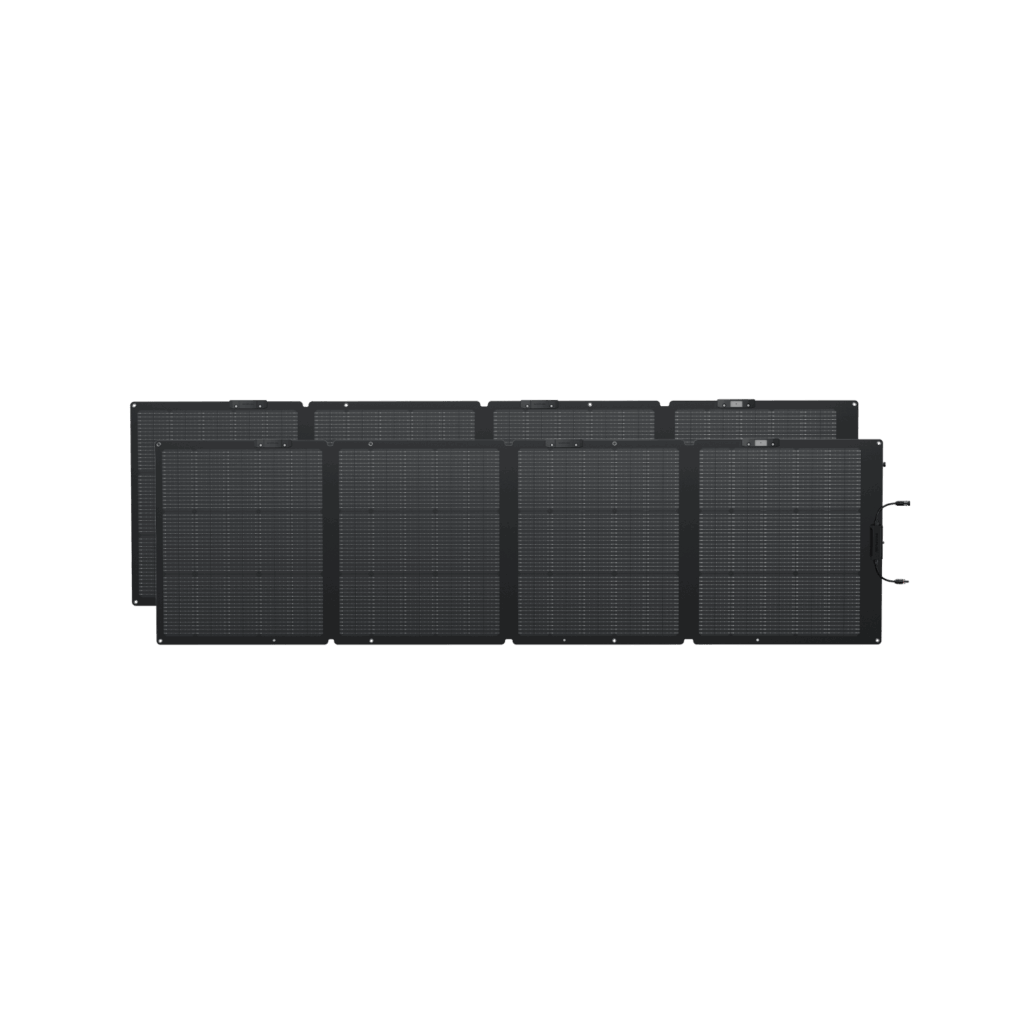
Begin by reviewing your annual electricity consumption from utility bills, totaling all twelve months to establish your yearly kilowatt-hour usage. Divide this annual figure by 365 to determine your average daily consumption—this becomes your baseline target for solar production. Next, identify your location’s average peak sun hours using online solar resources or local solar installers’ data, which varies from approximately 3.5 hours in cloudier northern states to 6.5 hours in sunny southwestern regions. Calculate your required system capacity by dividing daily kWh by peak sun hours, then multiply this figure by 1.25 to account for the typical 20% efficiency loss from inverter conversion, temperature effects, and system degradation. Finally, divide your adjusted system capacity (measured in watts) by the wattage rating of your chosen panels—typically ranging from 300 to 400 watts per panel—to determine the total number of panels needed. For instance, a home using 10,950 kWh annually (30 kWh daily) in a location with 5 peak sun hours requires 7,500 watts after efficiency adjustments (30÷5×1.25×1,000), translating to approximately 20 panels at 375 watts each.
Real-World Calculation Examples
Consider a 2,000 square foot home in Phoenix, Arizona consuming 12,000 kWh annually with 6 peak sun hours daily. The calculation yields 32.88 kWh daily usage, requiring 6,850 watts after efficiency losses, which translates to roughly 18 standard 380-watt panels. Conversely, a similarly sized colonial home in Massachusetts with electric heating consuming 18,000 kWh yearly and receiving just 4 peak sun hours needs approximately 15,600 watts of capacity, requiring about 42 panels. A compact 1,200 square foot home with moderate consumption of 8,400 kWh annually in a region with 5 peak sun hours typically needs 14-16 panels, while a large 3,500 square foot residence with pool, electric vehicles, and all-electric appliances consuming 24,000 kWh might require 50-60 panels depending on available roof space and local sunlight conditions.
Important Factors Affecting Solar Panel Efficiency
The angle at which panels are installed significantly impacts energy production—ideally matching your latitude degree for year-round optimization, though adjustable mounting systems can maximize seasonal output. Roof orientation remains paramount, with south-facing installations producing optimal results, while east and west orientations still generate 75-85% of maximum potential. Shading presents one of the most detrimental efficiency killers, as even partial shade on a single panel can reduce entire array output due to series wiring connections—solutions include tree trimming, strategic panel placement, or microinverters that isolate individual panel performance. Temperature coefficients matter more than most homeowners realize, as panels actually lose efficiency in extreme heat despite abundant sunlight, with output decreasing roughly 0.3-0.5% per degree Celsius above 25°C. Panel degradation occurs gradually over time, with most manufacturers guaranteeing 80-85% original capacity after 25 years, meaning you should slightly oversize your system to maintain adequate production as panels age. Regular maintenance extends efficiency and lifespan—cleaning panels quarterly in dusty climates removes efficiency-reducing buildup, while annual professional inspections identify wiring issues, mounting problems, or inverter malfunctions before they significantly impact production.

Maximizing Your Solar Investment
Battery storage systems like lithium-ion units allow you to store excess daytime production for evening use, providing backup power during outages and maximizing self-consumption rather than selling surplus electricity back to utilities at lower rates. Companies such as EcoFlow have developed portable and home battery solutions that integrate with solar systems to capture energy that would otherwise be sent back to the grid. Net metering programs credit your account for excess generation sent to the grid, effectively using the utility as a virtual battery and reducing or eliminating monthly bills when production exceeds consumption. Federal investment tax credits currently offer substantial deductions on installation costs, while many states and municipalities provide additional rebates, property tax exemptions, or performance-based incentives that significantly improve return on investment timelines. Balancing quality and cost requires evaluating panel warranties, manufacturer track records, and installer certifications rather than simply choosing the lowest bid—reputable installers provide accurate site assessments, proper permitting, and long-term service agreements that protect your investment for decades.
Taking the Next Step Toward Solar Energy Independence
Determining the right number of solar panels for your home ultimately comes down to a straightforward calculation process: assess your annual electricity consumption from utility bills, divide by your location’s peak sun hours, account for typical efficiency losses of 20-25%, and divide the result by your chosen panel’s wattage rating. This methodology provides a reliable foundation, though your specific circumstances—roof orientation, shading conditions, future energy needs, and budget constraints—will fine-tune the final system design. The investment in solar energy extends far beyond immediate cost savings, offering decades of reduced utility bills, protection against rising electricity rates, and meaningful contribution to environmental sustainability. While online calculators and general estimates provide helpful starting points, the complexity of factors affecting solar production makes professional site assessments invaluable for optimizing your system design. Contact certified solar installers in your area for detailed evaluations that account for your roof’s unique characteristics, local incentive programs, and financing options. With proper planning and quality installation, your solar panel system will deliver reliable, clean energy and substantial financial returns throughout its 25-30 year lifespan, making now an ideal time to take the first step toward energy independence.