Threats come from internal and external sources, so protecting your business means keeping an eye out at every point of entry. Unauthorized access can pose a severe threat, whether to your sensitive data or restricted areas. But there are innovative strategies you can put into effect to deter intruders while keeping operations running smoothly. In this blog, we will look at six areas your strategy should address.
Post Contents
Protect Your Perimeter
Your perimeter should be your first line of defense. A secure boundary around your business, be it an office building or warehouse, can deter intruders from even trying to gain entry. Use physical measures like fencing, surveillance cameras, and motion-activated lighting as deterrents against potential intruders attempting entry. An ALPR camera can provide evidence in case there is ever an attempt at breaking in. Access points such as gates or doors should remain locked with keycard or biometric entry systems, giving intruders less of an opportunity to break in and breach your defenses.
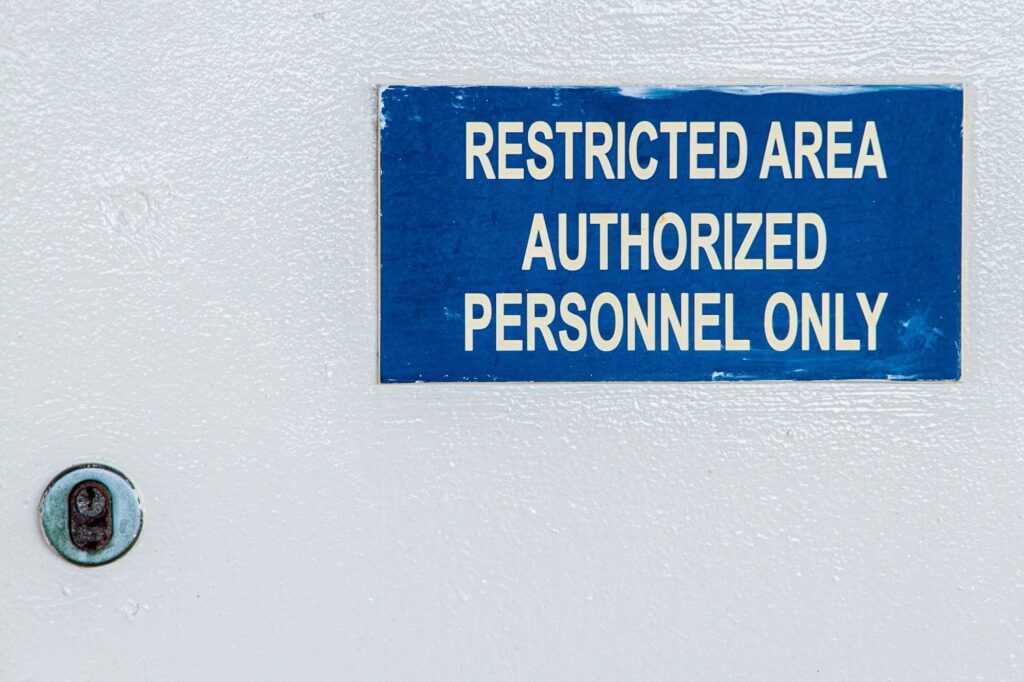
Manage Access to Restricted Areas
Certain areas of your business may require extra protection, including storage rooms, server rooms, or executive offices. Limiting access is important. Use keycards, biometric scanners, or PIN-based locks as possible ways of controlling access permissions for employees who require access. Also, review and update these permissions frequently, as staff might change roles or leave your organization. Lax access control could open doors to unnecessary risks.
Strengthen Cybersecurity
Digital threats are often more threatening. Protect your IT infrastructure with firewalls, endpoint security software, encrypted connections, multi-factor authentication (MFA), and up-to-date software to defend against changing cyber threats that become increasingly dangerous. This way your team remains resilient in the face of hackers.
Implement Visitor Management Systems
Your business premises provide access for clients, consultants, and third-party workers, but not everyone requires unrestricted entry. A solid visitor management system allows you to keep tabs on who comes and goes and when. Make visitors sign in at reception desks before entering restricted zones. Using digital systems for tracking movement provides increased security as well as clear records in case of incidents.
Train and Educate Employees
Your employees are both your greatest assets and risks. Human error can often be the weak link in otherwise perfect security systems. Therefore, regular employee training on security protocols is important to prevent unauthorized access. Educate team members on identifying phishing attempts as well as accidental data breaches to create a culture of awareness.
Conduct Regular Audits
Even a great security system can have flaws. Regular audits help identify weak points, outdated practices, or potential loopholes within it. Evaluate the physical access points, digital firewalls, and employee compliance annually or more frequently as part of this audit process. Any gaps found should be immediately addressed using corrective actions. Proactivity in reviewing your security measures will make sure that you have continuous protection from threats before they become major issues.
Conclusion
Combating unauthorized access requires a multifaceted strategy. From fortifying the physical spaces and strengthening digital defenses to training the staff members on security procedures. When you invest in comprehensive security protocols, your business not only protects itself from intrusions but also builds trust among clients, employees, and stakeholders.