In the dynamic world of project management, two methodologies stand out for their visual power and effectiveness: Kanban and Gantt charts. While both are designed to help teams track progress and manage tasks, they approach the work from fundamentally different perspectives. Understanding these differences is crucial for any organization looking to optimize its workflows and achieve its goals.
Post Contents
The Philosophy of Kanban: Flow and Flexibility
Kanban is a highly agile methodology that focuses on visualizing workflow and managing the flow of tasks. It is best suited for projects with continuous, iterative work and where requirements can change frequently. A typical Kanban board consists of columns that represent different stages of a process, such as “To Do,” “In Progress,” and “Done.” Tasks are represented as cards that move from left to right as work is completed.
The core principles of Kanban are:
- Limiting Work in Progress (WIP): This prevents team members from being overwhelmed and helps identify bottlenecks in the workflow.
- Continuous Flow: The goal is to keep work moving smoothly through the process without stagnation.
- Flexibility: Kanban is highly adaptable, allowing new tasks to be added and priorities to be changed easily without disrupting the entire project plan.
Because of its emphasis on flow and real-time visibility, Kanban is ideal for teams that manage ongoing projects, such as IT support, content creation, or product development. It provides a simple yet powerful way to see the current status of all tasks at a glance and fosters transparency and collaboration.
The Philosophy of Gantt: Structure and Strategy
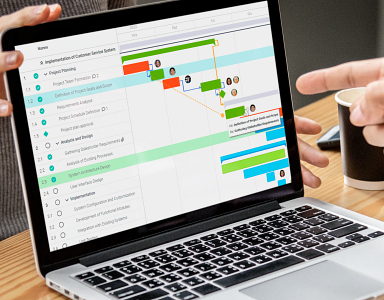
A Gantt chart is a visual tool that provides a timeline-based overview of a project. It is a cornerstone of traditional project management, excelling at detailed planning, scheduling, and resource allocation. A Gantt chart displays tasks as horizontal bars against a timeline, showing start and end dates, task duration, and, most importantly, dependencies between tasks.
The primary strengths of a Gantt chart are:
- Strategic Planning: It provides a high-level roadmap of the entire project, allowing managers to see how all tasks fit together.
- Dependency Management: You can easily link tasks, ensuring that work is completed in the correct order. This is invaluable for complex projects where one task cannot begin until another is finished.
- Clear Timelines: The chart gives a clear sense of project duration, milestones, and potential delays, making it an excellent tool for tracking progress against a predefined schedule.
Gantt charts are the preferred choice for large-scale, structured projects with fixed deadlines, such as construction, event planning, or product launches, where dependencies and long-term planning are critical.
FlexiProject: Bridging the Divide for Comprehensive Project Management
While Kanban and Gantt charts are often presented as opposing choices, modern project management platforms like FlexiProject have found a way to not only offer both but to make them work in a cohesive, integrated environment. FlexiProject understands that in the real world, projects often require both the strategic oversight of a Gantt chart and the day-to-day flexibility of a Kanban board.
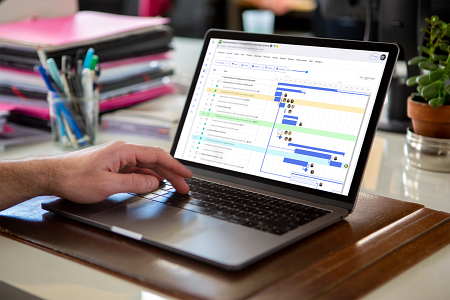
What makes FlexiProject stand out is its ability to serve as a single, unified platform that eliminates the need to switch between different tools. This is a crucial distinction. In many solutions, you have to choose one view or the other, or the different views are poorly synchronized. FlexiProject provides a powerful, intuitive project schedule that is at the heart of the system, offering a fluid transition between both views. A task created on the Gantt chart can be instantly viewed and managed on a Kanban board, ensuring that high-level planning is always connected to real-time execution.
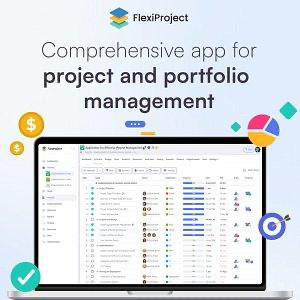
Beyond this integrated approach, FlexiProject’s key strengths lie in its:
- Strategic Focus: It goes far beyond just managing tasks. The platform includes unique features like scoring models to help prioritize projects based on strategic value and automated project reviews to streamline reporting to management. This ensures that every project is aligned with the company’s overarching business goals.
- Unmatched Flexibility and Customization: The system can be extensively configured to reflect an organization’s specific project management standards, processes, and even branding. It allows for the creation of customized project charters, acceptance paths, and report templates, ensuring the tool adapts to your business, not the other way around.
- Comprehensive Integration: FlexiProject is a holistic solution that manages not only the schedule but also budgets, risks, and resources. It serves as a central hub for all project-related data, improving transparency and communication while eliminating fragmented information.
In essence, FlexiProject acknowledges that the future of project management isn’t about choosing between one method and another. The most effective approach is a hybrid one that combines the long-term vision of a Gantt chart with the dynamic adaptability of a Kanban board, all within a powerful, integrated, and highly configurable platform.