The online gaming landscape is evolving faster than ever, and 2026 is shaping up to be a pivotal year for innovation. Advances in hardware, software, and connectivity are redefining how players experience games, compete with others, and immerse themselves in digital worlds.
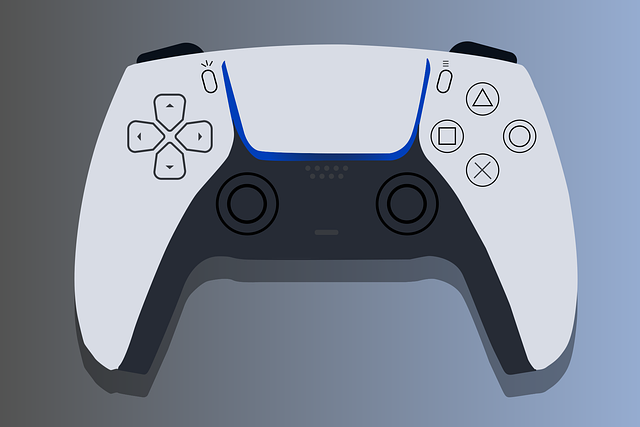
From smarter artificial intelligence to more seamless cross-platform play, gaming tech is an ever-evolving world. Whether you’re an online console gamer or prefer pay by mobile slots, these are the tech advancements you can expect in 2026.
Post Contents
AI-Driven Gameplay and Personalisation
Artificial intelligence is moving beyond scripted behaviour and predictable patterns. In 2026, AI is expected to play a much larger role in shaping gameplay experiences in real time. Non-player characters (NPCs) will adapt to individual playstyles, learn from player behaviour, and respond more naturally to in-game decisions.
For online gamers, this means more dynamic matchmaking systems, smarter opponents, and personalised content. AI will also help detect cheating more effectively and create balanced competitive environments, improving fairness across multiplayer platforms.
Cloud Gaming With Near-Zero Latency
Cloud gaming technology continues to mature, and 2026 could mark a breakthrough in performance. Thanks to improved data centres, edge computing, and faster internet infrastructure, gamers can expect significantly reduced latency and higher visual fidelity.
This advancement allows players to enjoy high-end games on modest hardware, including smartphones and low-powered laptops. For online gamers, cloud gaming removes barriers to entry and makes it easier to jump into competitive or cooperative play without long downloads or expensive upgrades.
Virtual Reality and Augmented Reality Integration
Virtual reality (VR) and augmented reality (AR) are becoming more practical and accessible. Lighter headsets, higher-resolution displays, and improved motion tracking are making immersive online gaming experiences more comfortable and engaging.
In 2026, more multiplayer games are expected to integrate VR and AR features, allowing players to interact with each other in shared virtual spaces. Social VR environments, competitive esports-style matches, and cooperative adventures will blur the line between physical and digital interaction.
Cross-Platform and Cross-Progression Expansion
Gamers increasingly expect to play with friends regardless of device, and developers are responding. Cross-platform support and cross-progression are becoming standard rather than optional features.
By 2026, more online games will allow seamless transitions between consoles, PCs, and mobile devices. Players will be able to pick up exactly where they left off, keeping progress, cosmetics, and achievements synchronised across platforms.
Blockchain and Digital Ownership Evolution
Blockchain technology is being refined to better serve gamers rather than overwhelm them. In 2026, the focus is shifting toward secure digital ownership of in-game items, cosmetics, and collectables without excessive complexity.
This could enable players to trade or transfer assets safely between games or platforms while maintaining transparency and security. When implemented responsibly, blockchain systems may offer gamers more control over their purchases and digital identities.
Advanced Haptics and Sensory Feedback
Immersion isn’t just visual anymore. Advanced haptic feedback systems are adding a new sensory layer to online gaming. Controllers, wearables, and even gaming chairs are being designed to simulate touch, impact, and environmental effects.
In 2026, these technologies will help players feel subtle cues like footsteps, weapon recoil, or environmental changes, enhancing realism and competitive awareness without distracting from gameplay.
Smarter Voice and Social Systems
Communication is a core part of online gaming, and new tools are making it more effective and inclusive. AI-powered voice systems can reduce background noise, translate languages in real time, and moderate toxic behaviour automatically.
These advancements foster healthier online communities and make it easier for players from different regions to collaborate and compete without communication barriers.
8. Sustainable and Energy-Efficient Gaming Tech
As awareness of environmental impact grows, gaming technology is becoming more energy-efficient. Developers and hardware manufacturers are optimising servers, consoles, and data centres to reduce power consumption.
For online gamers, this means quieter hardware, lower energy costs, and the satisfaction of participating in a more sustainable gaming ecosystem.
Final Thoughts
The technologies emerging in 2026 are set to make online gaming more immersive, accessible, and socially connected than ever before. Whether through smarter AI, smoother cloud gaming, or deeper sensory feedback, these innovations aim to enhance both casual and competitive experiences. For gamers, staying informed about these developments means being ready to embrace the next generation of online play as it unfolds.