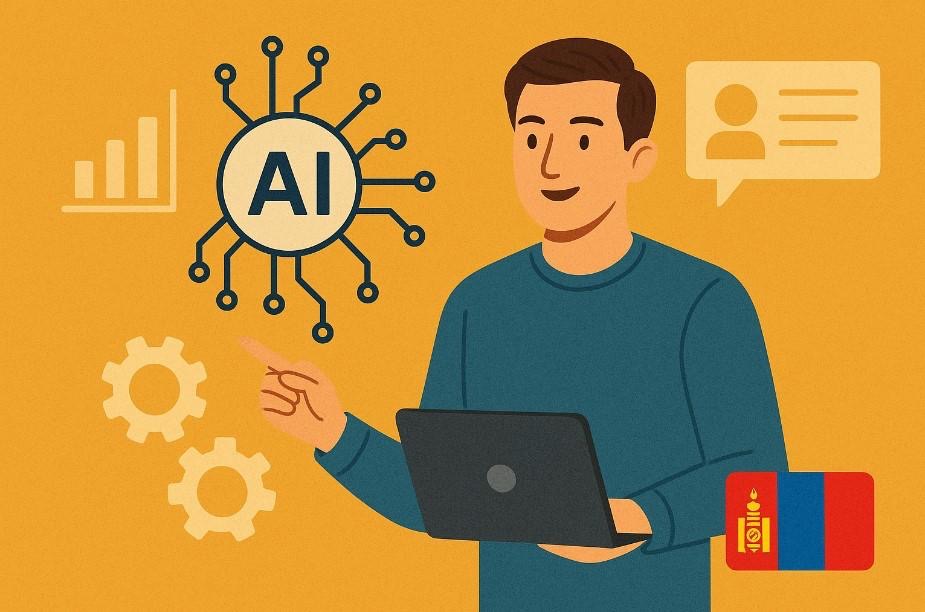
Not so long ago, the IT industry was small — a few startups, some experimental apps, a lot of ambition. But things changed fast. Today, the tech industry here is actively developing. Startups are no longer just playing around with ideas; they’re building real tools, launching projects that reach government level, and shaping how business works.
And right in the middle of it all — artificial intelligence. It’s not some flashy buzzword anymore; it’s the actual engine that keeps things moving. From optimizing daily tasks to rethinking entire management systems, AI is now part of economic DNA.
The Bizbet platform is one clear example. It uses intelligent analytics to process massive amounts of data, improve player recommendations, and minimize fraudulent practices. All of this significantly improves the user experience. In a market where digital infrastructure is still finding its feet, solutions like this give local players a serious edge.
Post Contents
A New Wave of Interest in AI
Hang out with anyone from the tech crowd for five minutes, and you’ll hear it — AI’s everywhere now. It’s in the offices, in the startups, in conversations over coffee.
Local companies are playing with machine learning, automating the dull, repetitive stuff. Other companies are experimenting with predictive tools capable of spotting any trend.
And the government? They’re not just sitting back watching the show. They’ve really kicked things into gear. Reforms are rolling out, AI education is getting real backing, and projects meant to make daily life smoother are starting to stick. It’s messy, nothing moves in a straight line here but the progress is clear. Universities are opening new labs, training specialists who don’t just know the theory but can actually work with these systems in the real world. And that, honestly, might be the most important shift — people finally learning to use AI, not fear it.
Where It’s Making a Real Difference
Artificial intelligence is spreading through the economy like wildfire.
In the public sector, AI is quietly taking the reins. It analyzes data from hospitals, schools, and energy grids, helping officials figure out budgets smarter, and even giving them a heads-up on what people might need next.
In finance, it flags risky loans, spots fraud before it hits, and keeps the system humming along without hiccups.
And agriculture? That’s where AI really shines. It can predict the weather which, let’s be honest, can make or break a season, and catch livestock diseases before they spread. Farmers here swear by it; it’s like having a second pair of eyes that’s always looking out for trouble.
Online stores now run on recommendation systems that know what buyers want before they do; chatbots handle most routine customer questions; and logistics platforms in Ulaanbaatar are testing AI-driven traffic forecasts. Even energy companies use smart tools to track emissions and manage consumption in harsh climates.
Business Meets AI: A Quiet Revolution
For many companies, AI adoption began with a few analytics tools. Businesses started noticing something pretty quickly: AI wasn’t just a tool to save a few hours here and there. It was a way to actually make smarter choices, spot trends before they hit, and stay one step ahead. Suddenly, managers weren’t just putting out fires, they were seeing patterns, making forecasts, and making decisions based on real data instead of just guessing.
And, honestly, that changed everything. Things didn’t just improve a little; the whole approach to running a business started to feel different.
Here’s what AI looks like inside companies today:
| Business Area | How AI Is Used | What It Brings |
| Marketing & Sales | Predicting demand, analyzing customer habits, generating personalized offers | More loyal clients and higher conversion rates |
| HR & Recruiting | Tracking performance, picking candidates by both hard and soft skills | Lower hiring costs, better team stability |
| Banking & Fintech | Smart assistants, personal recommendations, fraud alerts | Faster service and happier users |
| Online Gambling | Fraud detection, player behavior tracking, customized rewards | Safer gameplay, better engagement, more profit |
| Media & Communications | Trend forecasting, audience sentiment tracking, quick content generation | Faster response to shifting interests |
It’s not just about the tools, it’s about the way people think. Modern entrepreneurs are beginning to see AI as a natural part of how they run their businesses. It’s helping them create new products, get a clearer read on their customers, and compete with companies well beyond their own borders.

The Global Scene: And Leading Countries Did Now Stand Aside
AI has already reshaped the global IT industry. From automation to analytics, it’s the invisible hand behind nearly every modern innovation.
Small countries, despite being a small market, are quickly catching the wave. Local companies keep an eye on what’s happening worldwide, adapting it to fit their own needs and realities.
An analysis on Techy Flavors explored how AI helps businesses cut costs and boost profitability. The focus here isn’t on copying big tech but localizing those ideas: fintech, online gambling, digital education.
And the timing couldn’t be better. According to Statista, the global AI market could hit almost $2 trillion by 2030, growing more than 35% a year. For a developing digital economy, that’s an open door.
How to Bring AI Into a Business (and Not Mess It Up)
Rolling out AI isn’t something you do overnight. Companies that succeed with AI usually follow a few smart steps.
First, they take a good, honest look at what’s going on inside. Which parts of the business eat the most time? Where do people make repetitive decisions? Those are your automation zones.
Then comes planning. Setting clear goals, figuring out the budget, deciding who’s in charge — the boring but crucial stuff.
The next move: building a mixed team. Not just IT pros, but marketers, analysts, managers, everyone who’ll actually use the tools.
Choosing the right platform matters too. Systems like mn-bizbet.io show how modern AI tech can pull together analytics, forecasting, and process optimization.
And then, testing. Always test. Roll out small pilot projects, track results, tweak models. Once the system works, scale it.
The final piece — culture. If employees don’t understand AI, it’ll just sit there like a fancy gadget. Companies that invest in regular training and encourage curiosity see much faster returns.
And speaking of returns, according to McKinsey, machine learning can boost productivity by 40% and cut service costs by about 25%. Numbers like that explain why businesses are jumping in early. With less bureaucracy and more flexibility, they can move faster than larger, older markets.
Looking Ahead: Digital Future
It’s wild to think how far things have come. A decade ago, AI in the world was mostly a theory. Now it’s shaping real projects — from logistics systems to online education and smart city management.
The country is also building the foundation for what comes next:
- Investment. New funds are popping up to back AI startups, especially those working in fintech or sustainability.
- Education. Universities are adding machine learning courses and setting up research labs to train people for real-world projects.
- Partnerships. International companies are collaborating with developers on AI solutions in energy, transportation, and governance.
- Infrastructure. Data centers are popping up, cloud platforms are expanding, and suddenly businesses can get what they need without the long wait or technical hurdles that used to slow everything down. It feels like the whole digital backbone of the country is finally catching up.
And that’s the real shift — AI isn’t some trendy buzzword anymore; it’s quietly becoming part of daily life. You can see it in the way companies operate, how cities handle traffic, how services start to make sense. Bit by bit, it’s helping businesses think smarter, making city systems run smoother, and showing people what a truly digital economy might look like, not in theory, but right here, in real time.