The Forex, or foreign exchange market, is the most vibrant and dynamic financial market. Trillions of dollars flow through international markets every day, as investors speculate on the relative values of various currencies. Potential rewards are great, but victory in Forex trading doesn’t come by chance, but rather through technique, patience, and comprehension of the market. Having a concise plan and executing the proper means can be the difference between steady growth and continued loss.
Post Contents
Understanding Market Analysis
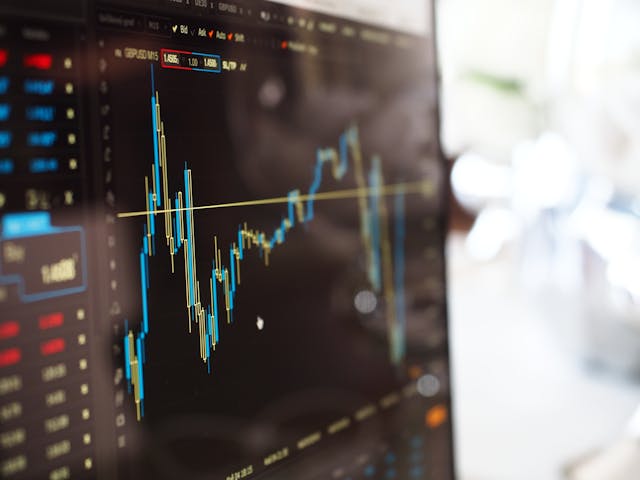
The key to any successful Forex trading technique is through analysis. There are two major methods: fundamental and technical. Technical analysis is where you learn to analyze price charts, trends, and patterns. Traders seek signals where they use indicators like moving averages, relative strength index (RSI), and Fibonacci levels to make future price movements. This technique assists you in knowing when to go in or get out of the trade through market action.
Contrary to this, the fundamental analysis studies the political and economic aspects impacting the value of currencies. Changes in interest rate, inflation rate, and geopolitical happenings are sudden market movers through news. An experienced trader gets the ability to understand these aspects and predict what impact they would have on the currency pairs. Use of both the technical and the fundamental analysis consequently results in better-informed and balanced trading decisions.
The Power of Risk Management
Among the most underrated but crucial aspects of Forex trading is risk management. No system can ever promise you to always win, so loss minimization whenever trades go south proves vital. Stop-loss orders help ensure that your position gets closed automatically once the market crosses your limit, saving your capital from significant losses.
Traders must also size positions wisely — never risking more than a tiny percentage of their trading account on any one trade. Consistency and control are more important than seeking big profits. Even the best-performing strategy fails without proper risk management, but a conservative strategy succeeds where risk management is just right.
Developing a Trading Plan
A trading plan is the diagram of the successful trader. It specifies the detailed rules for entering and exiting the trades, the amount of the risk for each trade, and the aims of the long run. Decisions, without the trading plan, are emotional and irregular, and they frequently result in loss.
An effective blueprint should be practical and dynamic, and able to shift course as market situations shift. Effective dealers or traders periodically assess their own performance, learn where they went wrong, and make adjustments accordingly. Maintaining a trading journal allows individuals to detect market and personal patterns, the latter of which is the key to constant improvement.
The Role of Psychology in Trading
Psychology has far more of an impact on Forex trading than most would ever think. Feelings of fear, greed, and impatience are capable of muddying the mind and creating impulsive choices. Traders who allow their decisions to be controlled by their moods frequently make trades they regret.
Patience and persistence are the long-distance runners that distinguish those who eventually win from those who give up too early. Psychological discipline, more than likely, makes the average good trader truly outstanding.
Conclusion
To be successful in Forex trading, you need to be aware of something more than just currency pairs and market movements. You need risk management, preparation, and emotional discipline. Once you put the aforementioned together, you are likely to be successful in the long run.