Slot games are often discussed in terms of payouts, wins, and returns, but this framing misses how modern slots are actually designed. Based on industry observation and analytical review of game design documentation, slot features are primarily built to shape the player experience rather than to change long-term outcomes. This perspective is useful when exploring platforms such as Vegastars online slots, where visual design, pacing, and engagement mechanics play a larger role than individual results.
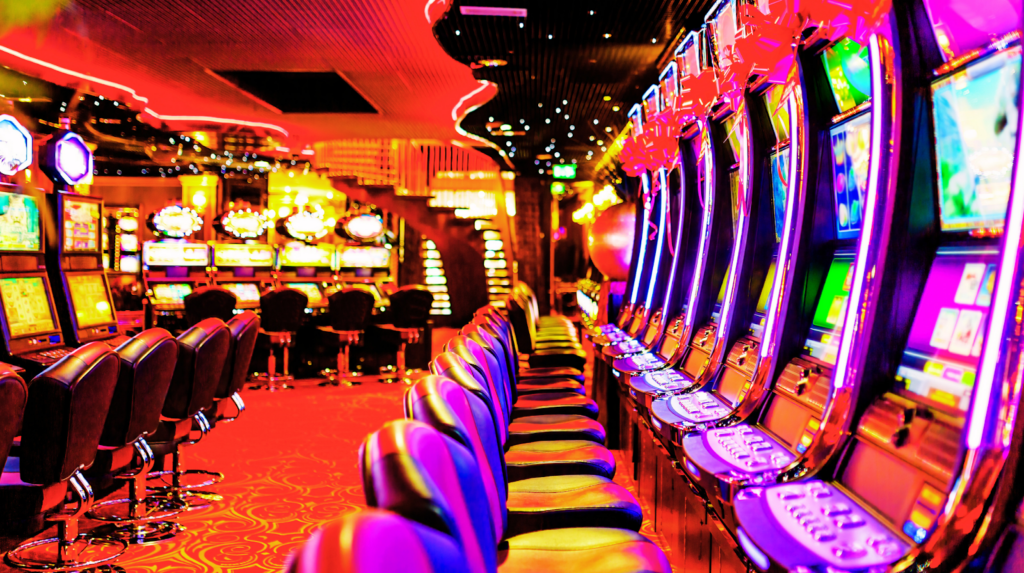
From an expert evaluation standpoint, most features found in slot games redistribute how wins appear over time without altering the underlying mathematical structure. The return to player and expected losses remain fixed over very large numbers of spins. Features determine how that experience feels from spin to spin, not whether the game becomes more favorable.
Post Contents
Features Versus Payout Structure
The core distinction players often overlook is the difference between presentation and probability. Slot features such as wilds, free spins, multipliers, and bonus rounds do not change the long-term expected return. That return is programmed into the game math before any visual element is added.
What features do change are volatility and pacing. A game with frequent small wins feels smoother, while a game that saves most of its value for rare bonus rounds feels more dramatic. Both approaches can exist within the same return framework.
Concrete example one is a player choosing a slot with frequent line wins and simple wilds. Their balance fluctuates slowly, and sessions feel steady. Concrete example two is a player selecting a bonus-heavy title where long dry spells are punctuated by occasional feature triggers. The experience feels tense and event-driven even though the long-term expectation is similar.
Symbols and Their Role in Engagement
Modern slot games use a variety of symbol types to structure anticipation and reward cycles. Understanding these symbols helps players interpret what is happening on screen without assuming that outcomes are changing.
Top 5 Symbol Types Commonly Used in Modern Slot Design
Symbols act as visual and psychological anchors in slot games. Each type plays a specific role in maintaining interest without changing outcome logic:
- Regular symbols
Form the base of most payouts and establish the game’s visual identity. - High-value symbols
Appear less frequently to support balance and create contrast within the reel set. - Wild symbols
Substitute for other symbols and support flexible win patterns. - Scatter symbols
Trigger features independently of reel position, reinforcing anticipation. - Bonus symbols
Unlock separate interaction layers that change player input, not return structure.
Understanding these roles helps players interpret outcomes without assuming payout shifts.
Reel Mechanics and Ways to Win
At some point, it stops being about the symbols and comes down to structure. How a win is actually counted. Older slot formats stick to fixed paylines. Newer ones don’t always bother. They use ways systems or clusters instead, which changes how players read the screen.
Cascading reels work differently again. A winning set disappears, new symbols drop in, and one spin can turn into several results. Hold-and-spin mechanics slow things down on purpose. Certain symbols lock, respins follow, and the tension builds step by step rather than all at once.
These mechanics turn each spin into a short sequence rather than a single moment. From an analytical design perspective, this increases immersion and perceived value without changing the expected loss.
Game Math Explained Without Payout Focus
Understanding a few mathematical concepts helps contextualize features without overemphasizing winnings.
Return to player represents the long-term average return across very large samples. Volatility describes how widely results swing around that average. Hit frequency refers to how often any win appears.
Higher-volatility games typically concentrate more of their value in features, making those moments feel important. Lower-volatility games use features to add variety on top of frequent base wins.
The table below summarizes how these elements interact:
| Element | What It Controls | How It Feels |
| Return to player | Long-term expectation | Invisible during sessions |
| Volatility | Size and spacing of wins | Smooth or dramatic |
| Hit frequency | How often wins appear | Busy or quiet gameplay |
| Features | Presentation of value | Excitement and pacing |
Why Engagement Features Feel Rewarding
Slot features exist to make time feel well spent, not just to decorate the game. Free spins keep things moving by linking outcomes together. Multipliers tend to show up at moments that already feel important, which is why they land visually. Interactive bonuses add another layer. Even when the result is still random, the act of choosing gives players something to engage with.
That mix matters. Commentators in the industry often point out that variety and a sense of progression keep people interested longer than raw win potential. Collections, unlocks, or evolving bonus modes don’t change the underlying maths, but they do create continuity. One session leads into the next instead of feeling like a reset every time.
On platforms like Vegastars online slots, these mechanics are used less as selling points and more as signals. They help separate one title from another and gently shape preference without touching the core probabilities.
Gambling Advisory Notice
Gambling comes with financial implications. Results aren’t guaranteed, and losses can happen over time. Players should set clear limits on both spending and time when engaging with slot-style games.
Positioning Slot Features as Experience Tools
Seen this way, slot features are closer to experience design than reward systems. They guide pacing, focus attention, and break up repetition. That’s why references to Vegastars online slots fit naturally here. The platform reflects how modern games use features to hold engagement, not to promise anything extra. Strip the branding out and the same logic still applies across most contemporary slot designs.