Aging in place appeals to many older adults who value their homes, routines, and sense of independence. Staying where life feels familiar offers comfort, but it also introduces new challenges as physical strength, balance, and endurance gradually change. Mobility aids bridge that gap between independence and safety. They make daily movement easier, help prevent falls, and reduce the stress that often comes with limited mobility.
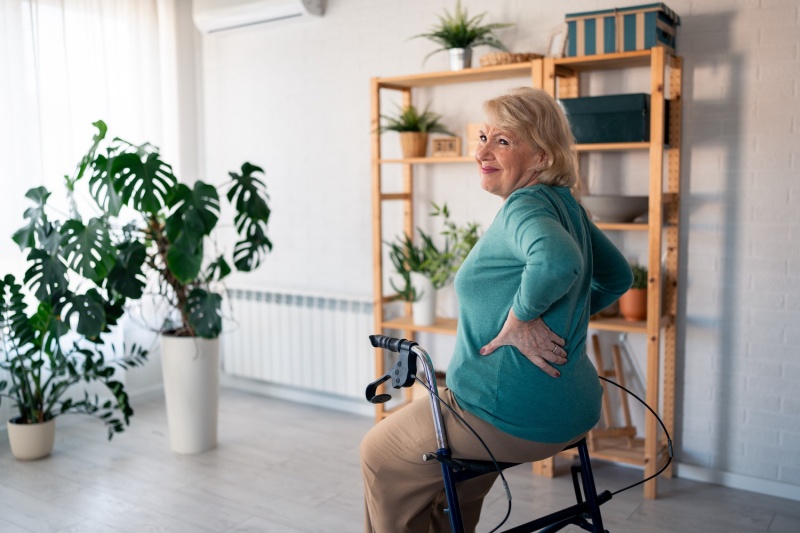
Modern assistive technology and thoughtful design have reshaped how people approach aging at home. The focus has shifted from basic equipment to practical tools that fit seamlessly into everyday life, supporting physical comfort and self-sufficiency.
Post Contents
The Practical Role of Mobility Aids
Mobility aids serve as extensions of a person’s body, giving stability and control where natural balance has weakened. Some help with walking, others make it easier to get out of bed or move between rooms. The options have expanded far beyond traditional canes and wheelchairs, offering adaptable mobility solutions for a range of needs.
Walking supports such as rollators or assistive canes help maintain steady movement across uneven surfaces. They are lightweight and adjustable, allowing users to move without overexertion. Devices like lift chairs and power wheelchairs add convenience indoors, supporting users during transitions between sitting, reclining, and standing.
For homes with stairs, stair climbing tools and turning seats offer freedom of movement without physical strain. Wheelchair ramps and security poles provide accessibility in tight or vertical spaces, allowing individuals to move safely between floors or outdoor areas. Each tool contributes to independence by removing barriers that often limit mobility at home.
Preventing Falls and Supporting Daily Safety
Falls remain one of the biggest risks in elderly households. Balance issues, medication side effects, and changes in muscle strength can all increase the chance of accidents. Fortunately, a growing range of assistive devices to prevent falls in elderly populations helps manage these challenges before they lead to injuries.
Bathroom safety is an area that benefits greatly from thoughtful equipment. Installing grab bars near toilets and showers improves grip and balance, while a shower chair offers a secure seat to reduce the risk of slipping. In bedrooms, hospital beds and reinforced frames allow height adjustments and stability for getting in or out of bed.
Floor mats that detect pressure, along with chair alarms, can alert caregivers when someone attempts to move unassisted. These subtle innovations bring peace of mind to families, while giving older adults space to move independently. Safe living environments often rely on these quiet, reliable aids that work in the background.
Comfort, Independence, and Adaptability
Mobility aids are not only about preventing accidents; they also help maintain comfort and dignity. Devices such as lift chairs and hospital beds allow older adults to adjust comfort settings without assistance. Power wheelchairs and turning seats let users shift positions easily throughout the day, avoiding fatigue or joint strain.
Digital accessibility standards have encouraged manufacturers to build devices that are easier to operate. Controls, touch panels, and remote features now accommodate limited dexterity or eyesight. What once required physical effort can now be managed with minimal movement, giving people more control over their surroundings.
For those who value privacy and autonomy, daily living aids bring reassurance. Items like standing assistance rails or security poles add safety during transfers, while walking supports make simple tasks, such as preparing meals or answering the door, less tiring. This balance of safety and independence defines successful aging in place.
The Human Side of Adaptation
Adjusting to mobility changes takes time. Some people hesitate to use assistive devices at first, seeing them as symbols of decline. In practice, they do the opposite; they preserve the ability to live on one’s own terms.
Support often starts through personal consultations with healthcare providers or occupational therapists. These conversations help match equipment to specific physical capabilities. Recommendations may include lightweight frames, adjustable handles, or reinforced structures for stability. Even minor changes, such as adding grab bars or replacing rugs with low-slip flooring, can improve safety without altering the character of a home.
Physical therapy also complements mobility aids, teaching better posture, balance, and coordination. They help older adults build confidence while moving around their environment. The more comfortable they feel using their aids, the longer they can maintain their independence.
Looking Beyond Function
Modern mobility aids show that safety can coexist with comfort and aesthetics. Designs have become more discreet, fitting into home décor without drawing attention. Lift chairs and hospital beds now resemble standard furniture, and wheelchair ramps integrate into porches or entryways with thoughtful materials.
Manufacturers continue refining devices and technology to enhance their socialization and to meet different living conditions and preferences. From power wheelchairs that adapt to outdoor use, to walking supports with ergonomic grips, the focus remains on meeting individual needs rather than producing one-size-fits-all solutions. Comfort and usability take priority, improving the overall quality of life for aging adults.
Conclusion
Aging in place succeeds when the right tools support independence without disrupting daily routines. Mobility aids help bridge the distance between comfort and safety. They give older adults the chance to stay where they feel most at home, maintaining confidence in their movement and surroundings.
Modern assistive devices have evolved from simple tools into integral parts of home living. They help preserve freedom, dignity, and peace of mind for those who wish to age where they belong. When paired with attention to comfort settings, accessibility, and regular care, these solutions redefine what it means to live independently and securely at home.